Starting a paper cup manufacturing business can indeed be a highly rewarding and profitable venture. The steps you’ve shared provide a comprehensive guide to the process, covering everything from understanding the market to launching and scaling the business. Here’s a deeper breakdown of the key areas:
1. Know Your Market
- Market Share Analysis: Understanding the demand for paper cups in your area is crucial. Research the food and beverage industry, as well as any potential demand from events or institutions like schools and offices that may need disposable cups.
- Competitor Analysis: Study your competitors’ pricing, customer base, and strategies. This will help you position your brand effectively in the market.
2. Know Your Customers
- Customer Segmentation: Different customers have unique needs. Some may require smaller-sized cups for beverages, while others might need larger cups for soups or drinks. Understand regional preferences regarding colors, designs, and cup sizes to tailor your product offerings.
- Customization: Offering printed cups with custom designs could be a great way to attract customers in various sectors, such as cafes, events, and corporate branding.
3. Collect Market Data
- Price Analysis: Gather information about the average price of paper cups for different quality levels, sizes, and designs. Analyze how wholesalers and retailers price the products to ensure you’re competitive while still making a profit.
- Competitor Stockists: Understand where and how your competitors distribute their cups. Establish connections with wholesalers or directly approach clients in need of your products.
4. Secure Funding for the Business
- Cost Assessment: Begin by estimating the capital required for machinery, raw materials, facility setup, employee salaries, and other operational costs. A detailed financial plan will help secure the right funding.
- Funding Options: In addition to self-financing, you could explore small business loans, government grants, venture capital, or angel investors depending on the size and scale of your operation.
5. Set Up Manufacturing Facility
- Location: Choose a location that’s easily accessible and cost-effective. Consider proximity to suppliers and major transport routes.
- Facility Setup: Make sure your facility has adequate space for the necessary machinery (paper cup forming machines, cutting machines, etc.), storage, and administrative offices. Adequate ventilation and safety measures must also be considered.

6. Source Raw Materials
- Quality Paper: The paper used must be food-grade and suitable for the specific type of cup you intend to make (e.g., cups with different coatings like PE or PLA).
- Other Materials: Ensure you have a reliable supplier for other key materials like the inks, bottom sealing material, and packaging materials. Building long-term relationships with suppliers will help avoid disruptions in production.

7. Hire and Train Employees
- Skill Development: Skilled machine operators, quality control experts, and maintenance staff are essential. You might also need an administrative team for managing finances, marketing, and customer relationships.
- Training: Proper training on quality standards, machine operation, and safety procedures will ensure smooth operations and reduce the risk of errors.
8. Paper Cup Manufacturing Process
- Paper Cup Production: As you mentioned, the manufacturing process includes cutting paper into blanks, printing, sealing, and bottom attachment. Efficiency at each step is key to high production output.
- Quality Control: Implement strict quality control checks at each stage, from raw material inspection to final product packaging. This ensures you deliver high-quality cups consistently.
9. Establish Distribution Channels
- Sales Strategy: Build relationships with distributors, wholesalers, and large customers like restaurants, hotels, and office cafeterias. You can also explore direct-to-consumer channels through an online store.
- Retail Network: Consider partnering with retail outlets to expand your market reach.
10. Marketing and Promotion
- Branding: Create a memorable brand identity with unique packaging and a focus on your product’s quality, eco-friendliness (if applicable), and versatility.
- Promotional Activities: Use digital platforms like social media, Google ads, and trade shows to showcase your products. Highlight your product’s unique features, such as eco-friendly materials, custom design options, or durability.
- Customer Engagement: Engage with your customers by offering them customization options for cups and building relationships with key accounts.
11. Monitor and Improve
- Continuous Improvement: Monitor production, sales, and customer feedback regularly. Adjust your manufacturing processes if there are inefficiencies, and stay open to product innovations.
- Adaptation: Keep an eye on market trends, such as sustainability, and adapt your product offerings accordingly. With the growing concern for eco-friendly solutions, offering biodegradable or compostable paper cups could set your business apart.
Consultancy and Equipment
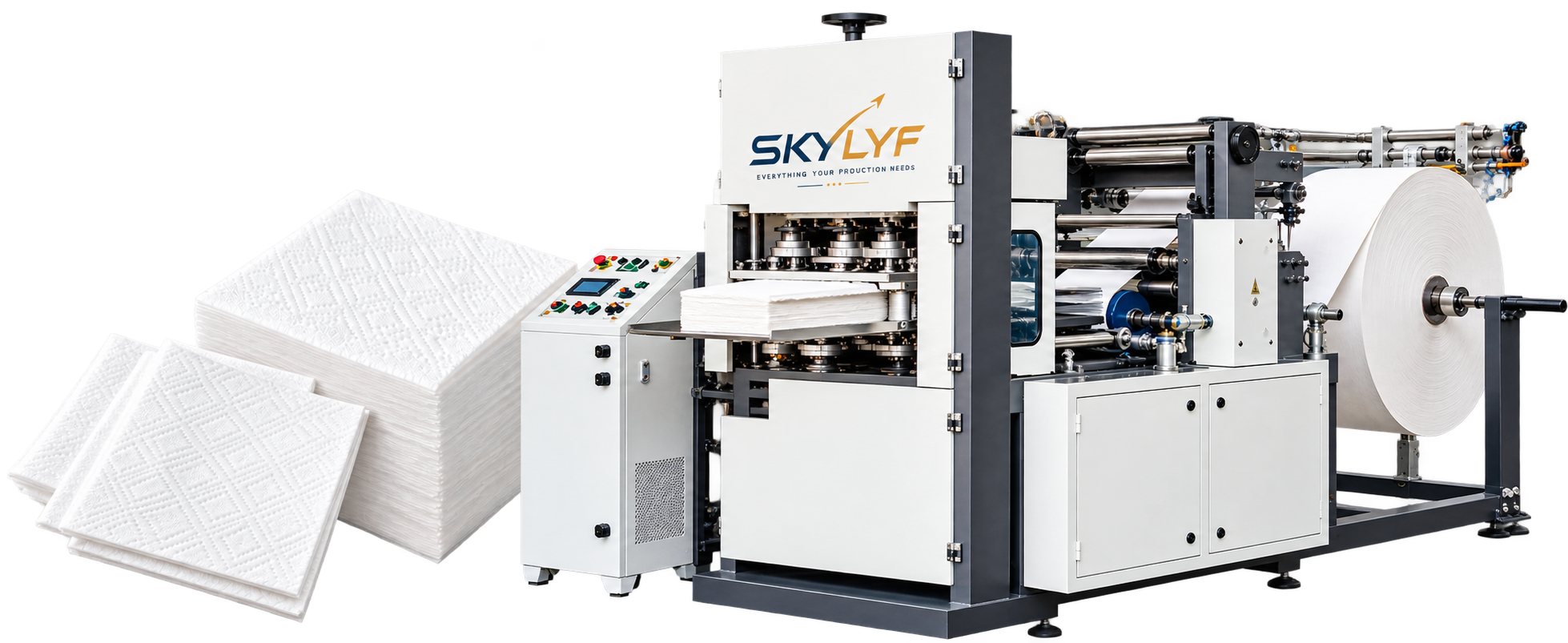
- Expert Guidance: As mentioned, seeking the right consultancy and expert guidance is crucial for smooth project execution. Companies like SKYLYF Paper Cup Machines, who specialize in paper cup manufacturing machinery and consultancy, can offer valuable assistance in ensuring your manufacturing setup is efficient and profitable.
Starting a paper cup manufacturing business requires attention to detail in planning, market analysis, and operations. By following the steps, from market research to setting up a strong supply chain, you can build a solid foundation for a successful business.